Hungry Traveler Speaks One Sentence. Next Day the Tree Is Dead from the Roots.
Alexandria Beacon – Issue #42
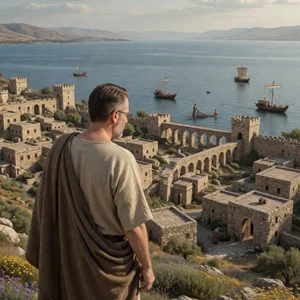
By your humble correspondent in Alexandria, the twenty-second day of Nisan in the reign of Tiberius
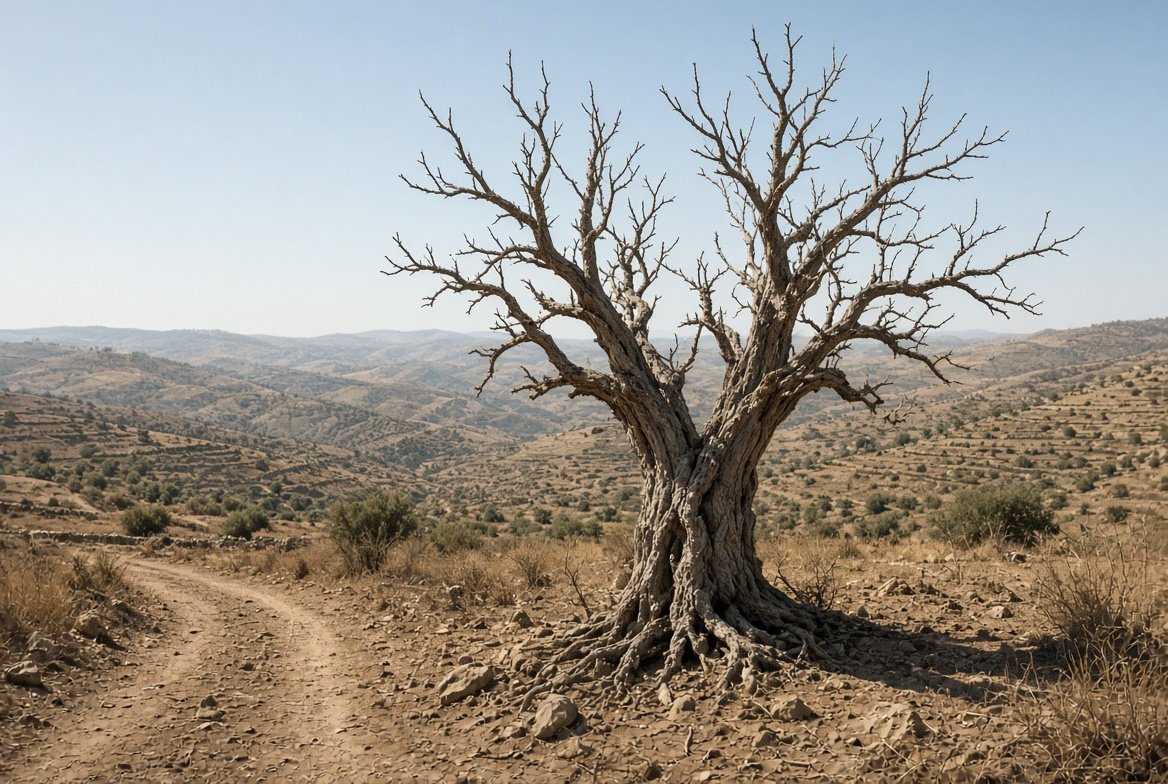
A man traveling toward Jerusalem stopped at a fig tree in full leaf and found nothing but empty branches. He spoke a short sentence over it. By the following morning, the tree had dried from the roots upward. No storm. No axe. No disease the locals recognized. Just a tree that had looked promising and produced nothing, now standing bare in the roadside dust.
Travelers who know the coastal road say the tree was the ordinary kind that puts out leaves before the main crop. Anyone who has worked an orchard understands the disappointment: the appearance of fruitfulness without the fruit. What the witnesses did not expect was the speed or the finality. One of the man’s companions later told a listener in the city that the tree was withered “from the roots.” Not the leaves only. The whole thing.
In Alexandria, the story travels faster than the caravan that carried it. Here a man can hear three different explanations before he finishes his bread. A Greek-trained teacher near the Museion calls it a natural failure of the tree and an over-reading by superstitious followers. A Jewish merchant who still keeps the feasts says the timing is deliberate: the tree stood in leaf while the city prepared for Passover, the season when every household looks for the fruit of righteousness. A Roman clerk who has seen imperial statues draped in garlands notes, without irony, that appearance without substance is not unknown even in the capital. He does not finish the comparison.
Philo, writing from this same city about the difference between the man who only seems good and the man who actually is, observed that some people “display the semblance of virtue while the reality is absent.” The observation was not made about a tree. It fits the report anyway.
The man who spoke the sentence had already been teaching that a tree is known by its fruit. He had also walked into the temple courts and overturned tables. Those who watched both events in the same stretch of days are not treating them as separate stories.
Echoes Across the Ages
Israel had been called a fig tree before. The prophets used the image when the nation looked religious and produced no justice, no mercy, no knowledge of God. Hosea pictured the fathers as the first ripe fig; later prophets described the tree with leaves and no fruit, or fruit that had already failed. The language was not agricultural advice. It was covenant language. A people could wear the signs of belonging and still be empty.
The same pattern appears at the beginning. The first man and woman, once they knew their nakedness, sewed fig leaves together and tried to cover themselves. The leaves were real. The covering was not. What looked like a solution was only a temporary screen. The later prophets and this roadside sentence return to the same picture: appearance without the substance the covenant required.
Those who stood with the man that week also heard him speak of a kingdom in which fruit is expected, not merely foliage. He did not treat the tree as an unfortunate accident of nature. He treated it as a visible word. The temple system of his day still performed its rites. The leaves were abundant. The fruit the prophets had demanded—justice, mercy, humility before God—was not. The withering made the point without a long speech.
Modern Blind Spot
A modern reader often hears the story as a lesson about personal productivity or emotional authenticity. First-century ears heard something sharper: a public judgment on a people and a system that had the external marks of covenant faithfulness and none of the fruit. The tree did not get a second season. The report does not soften that.
The tree looked ready. It was not. Emptiness was all that remained.
What do you think the companions understood when they saw the tree the next morning and why does the account bother to say it was withered from the roots?
© 2025–2026 Galilee Publications
Rush the shores where the fruitful are blessed and the fruitless wither.